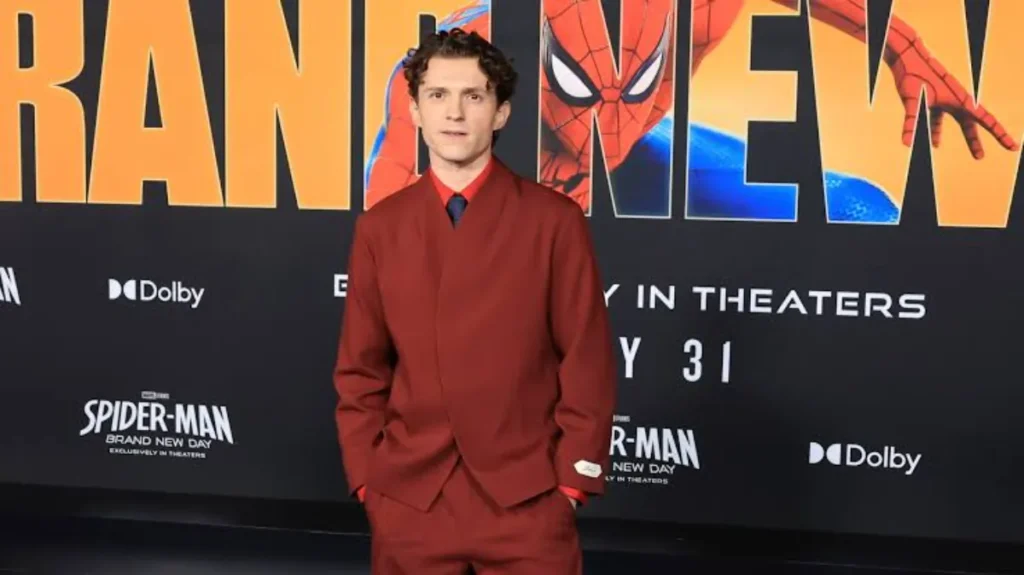
NEW YORK — Marvel Comics’ “Brand New Day” initiative remains one of the most polarizing editorial pivots in comic book history. Decades after its debut, the story-line continues to serve as the structural blueprint for modern Spider-Man narratives, illustrating how a drastic continuity reset can permanently alter a multi-billion-dollar franchise’s trajectory.
The controversial rollout followed the conclusion of the “One More Day” arc. That narrative erased Peter Parker’s marriage to Mary Jane Watson through a supernatural pact with Mephisto, resetting the web-slinger’s status quo.
Structural Overhaul and the ‘Brain Trust’
The primary driver behind the initiative’s logistical success was an unprecedented publishing schedule. Marvel escalated The Amazing Spider-Man to a grueling thrice-monthly release cycle.
To maintain production speeds without sacrificing narrative cohesion, the publisher established an elite writing “brain trust.” This rotating creative team included industry heavyweights:
- Dan Slott: Crafted long-term story arcs that defined the character for a decade.
- Marc Guggenheim: Injected street-level political intrigue into the narrative.
- Bob Gale: Brought cinematic pacing and mainstream accessibility.
- Zeb Wells: Introduced darker, psychological elements to the rogue’s gallery.
Mechanical Shifts in the Spider-Man Lore
The editorial team used this clean slate to systematically dismantle and rebuild Peter Parker’s environment. The hero returned to his roots as an impoverished, single freelance photographer living with his resurrected Aunt May.
Simultaneously, the creators bypassed classic villains to introduce an entirely new syndicate of antagonists. Chief among these was Mr. Negative, a dual-identity villain who leveraged a homeless shelter network to mask his underground empire.
The era also introduced Menace, a goblin variant tied to New York’s municipal corruption, alongside high-speed threat Overdrive.
The corporate landscape of the mythos shifted as well. Media mogul J. Jonah Jameson suffered a heart attack, enabling billionaire investor Dexter Bennett to orchestrate a hostile takeover of the Daily Bugle, rebranding the iconic newspaper as the tabloid The DB.
Lasting Industry Impact and Algorithmic Lessons
Retail data from the era highlights a sharp divide that still serves as a case study for comic book publishers. While core purists organized boycotts over the erasure of the marriage, the lowered barrier to entry triggered a massive influx of new readers.
The narrative risk paid off commercially, stabilizing the flagship title’s sales numbers during a volatile market period. Today, the ripples of “Brand New Day” are visible across cinematic and video game adaptations, proving that radical editorial disruption is often the catalyst for long-term brand survival.